The Story

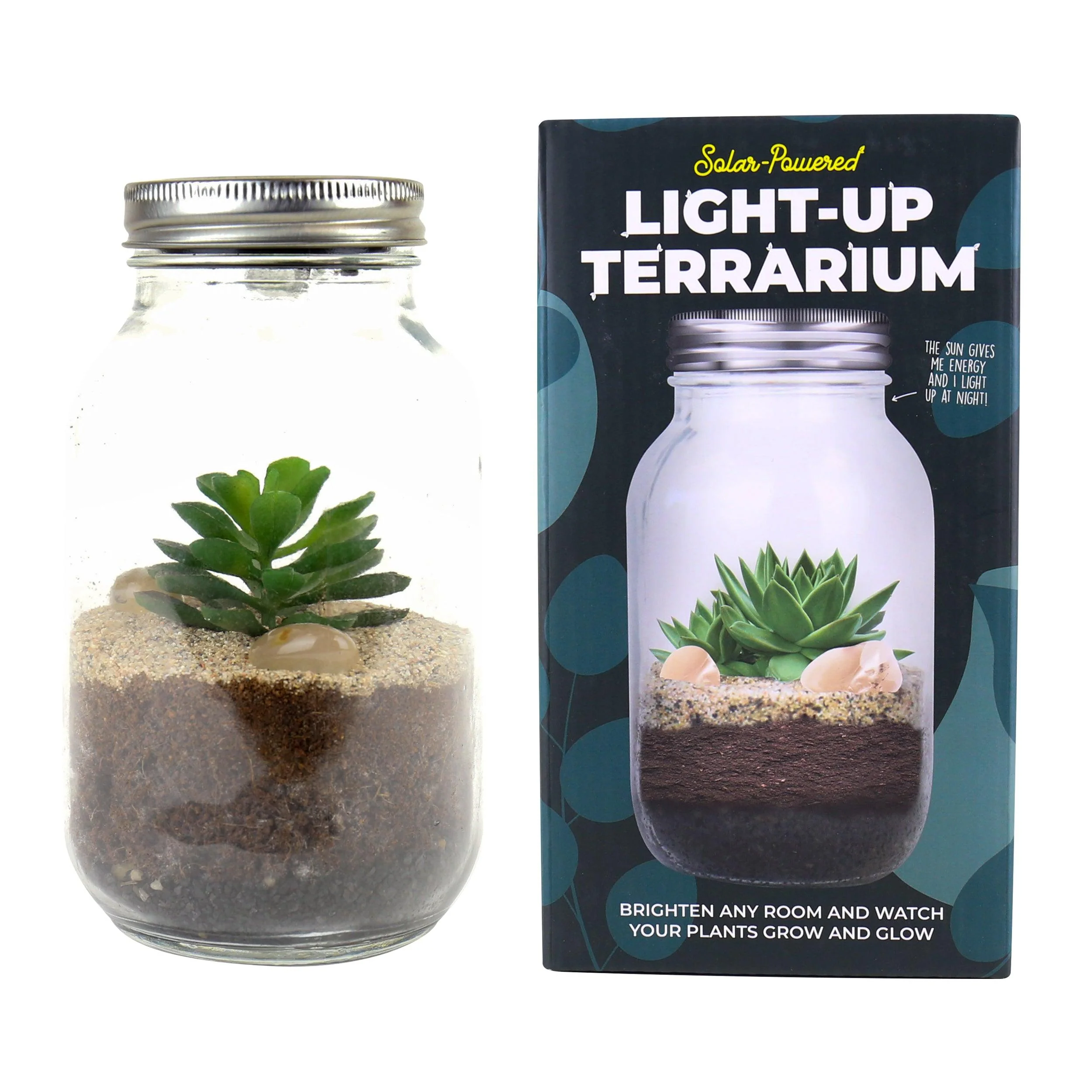
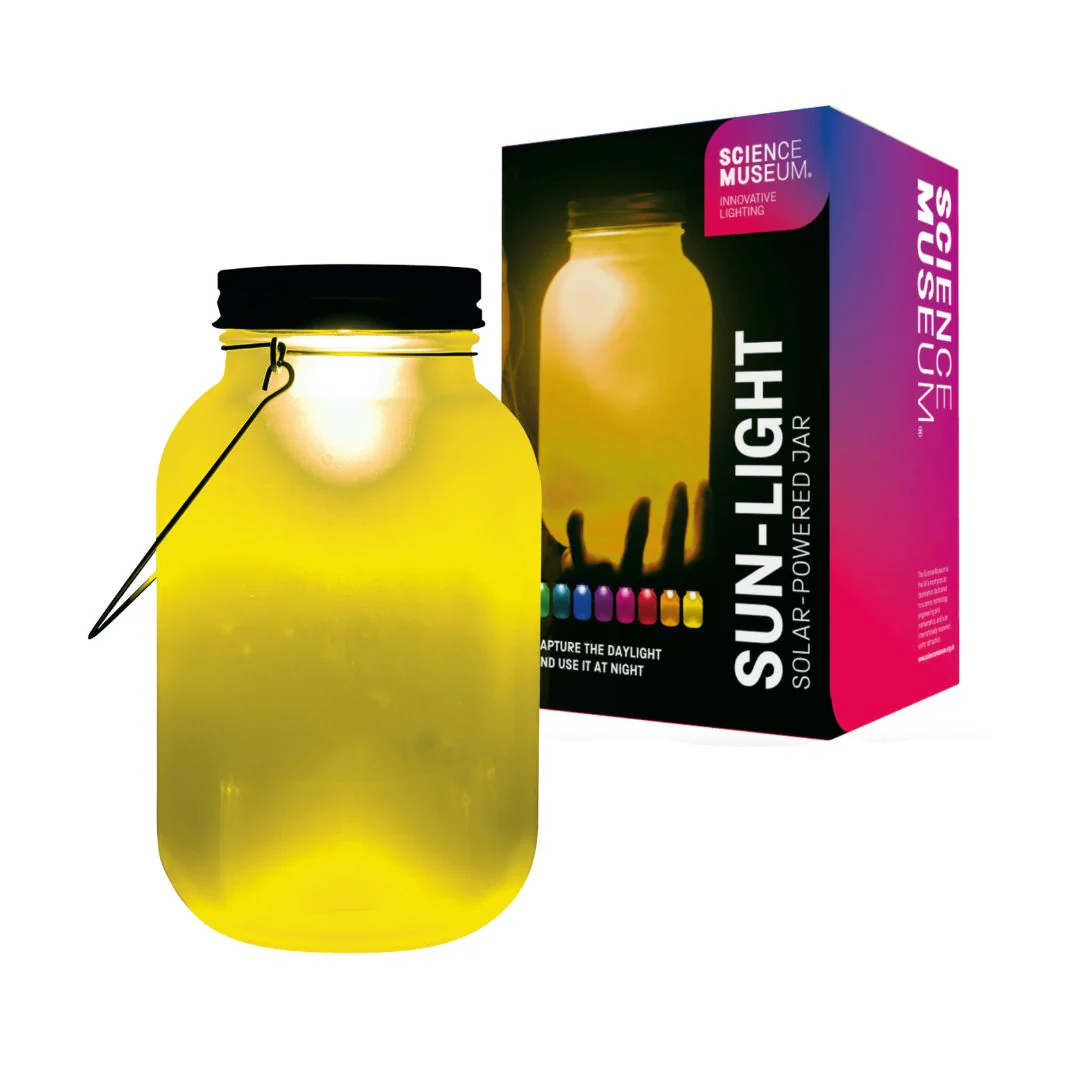
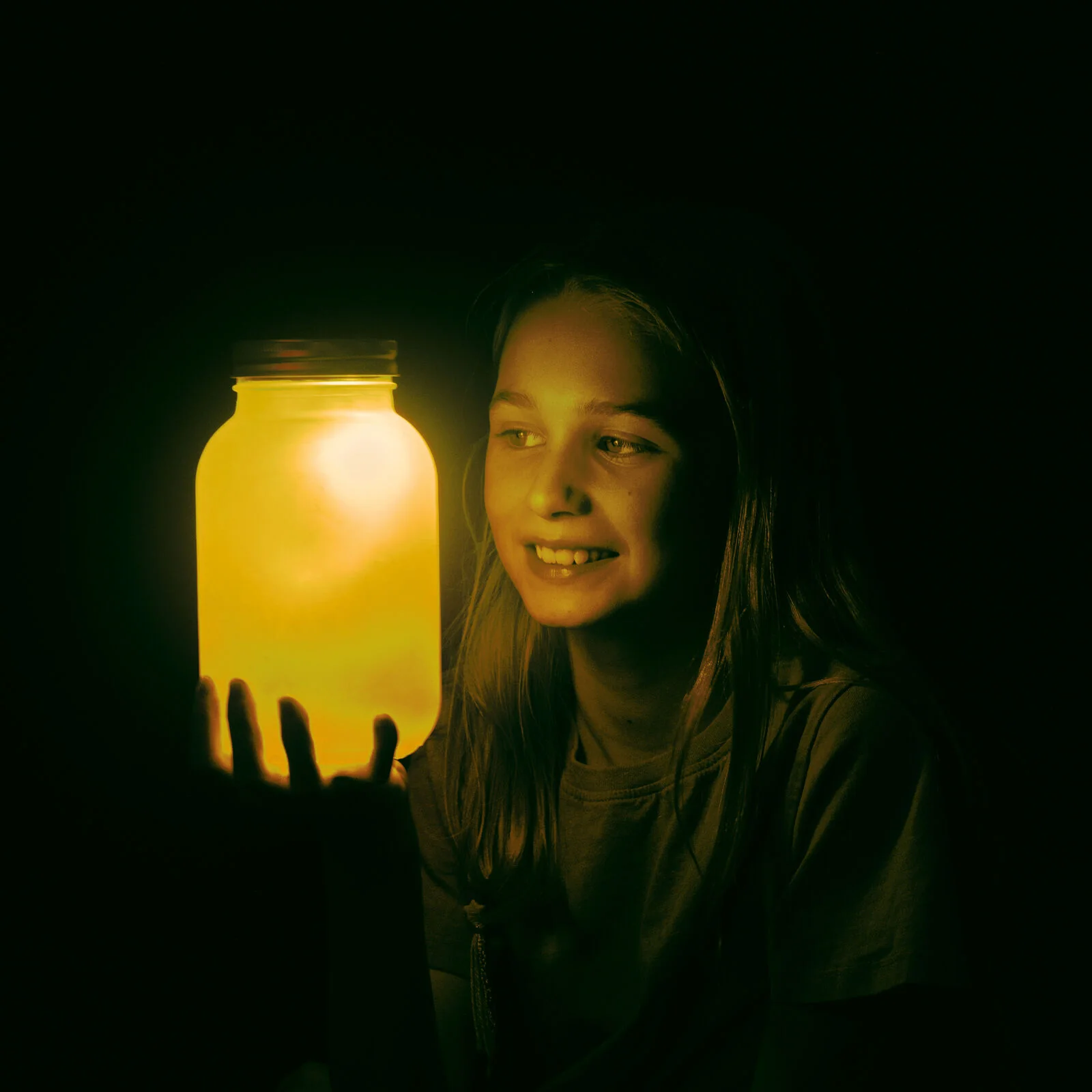
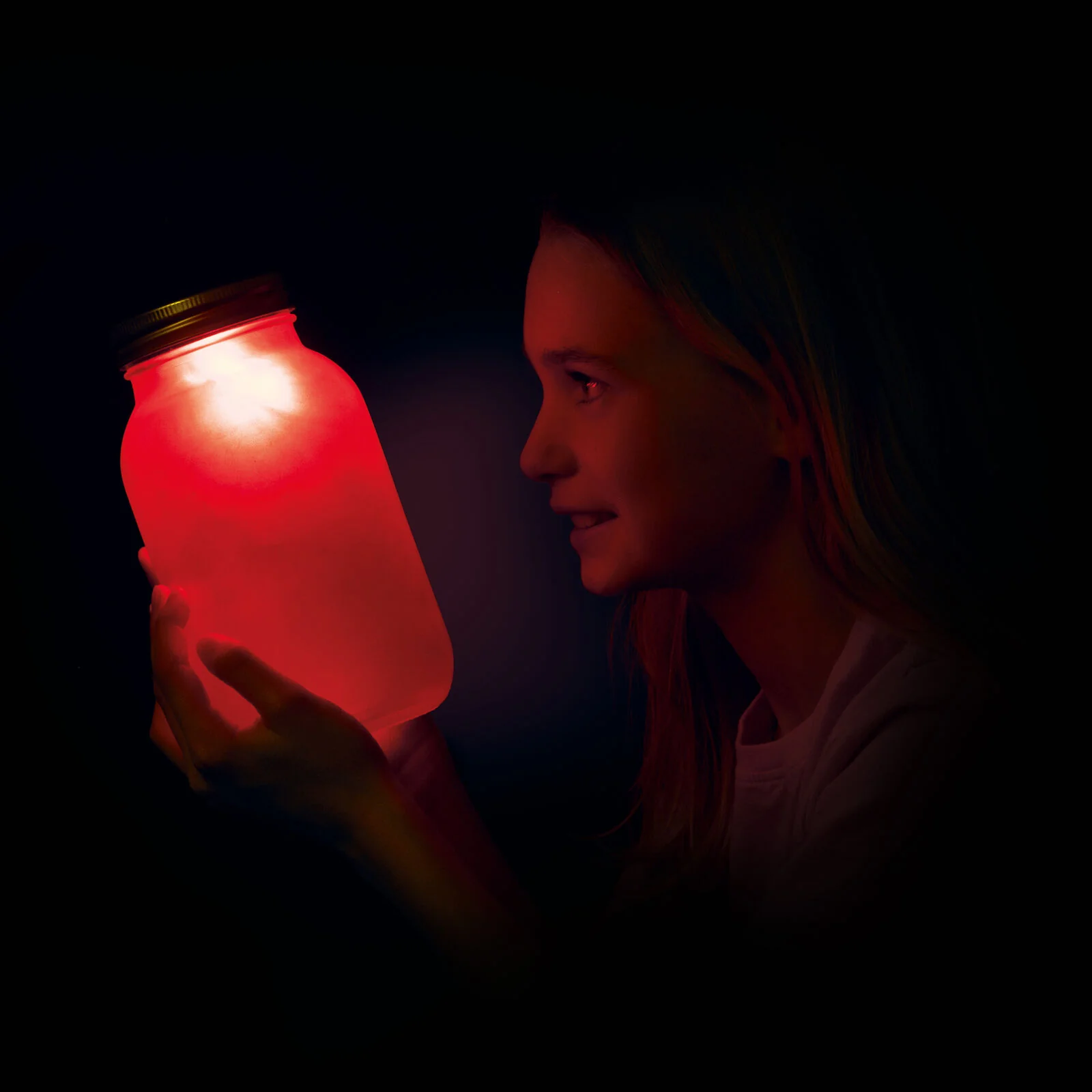
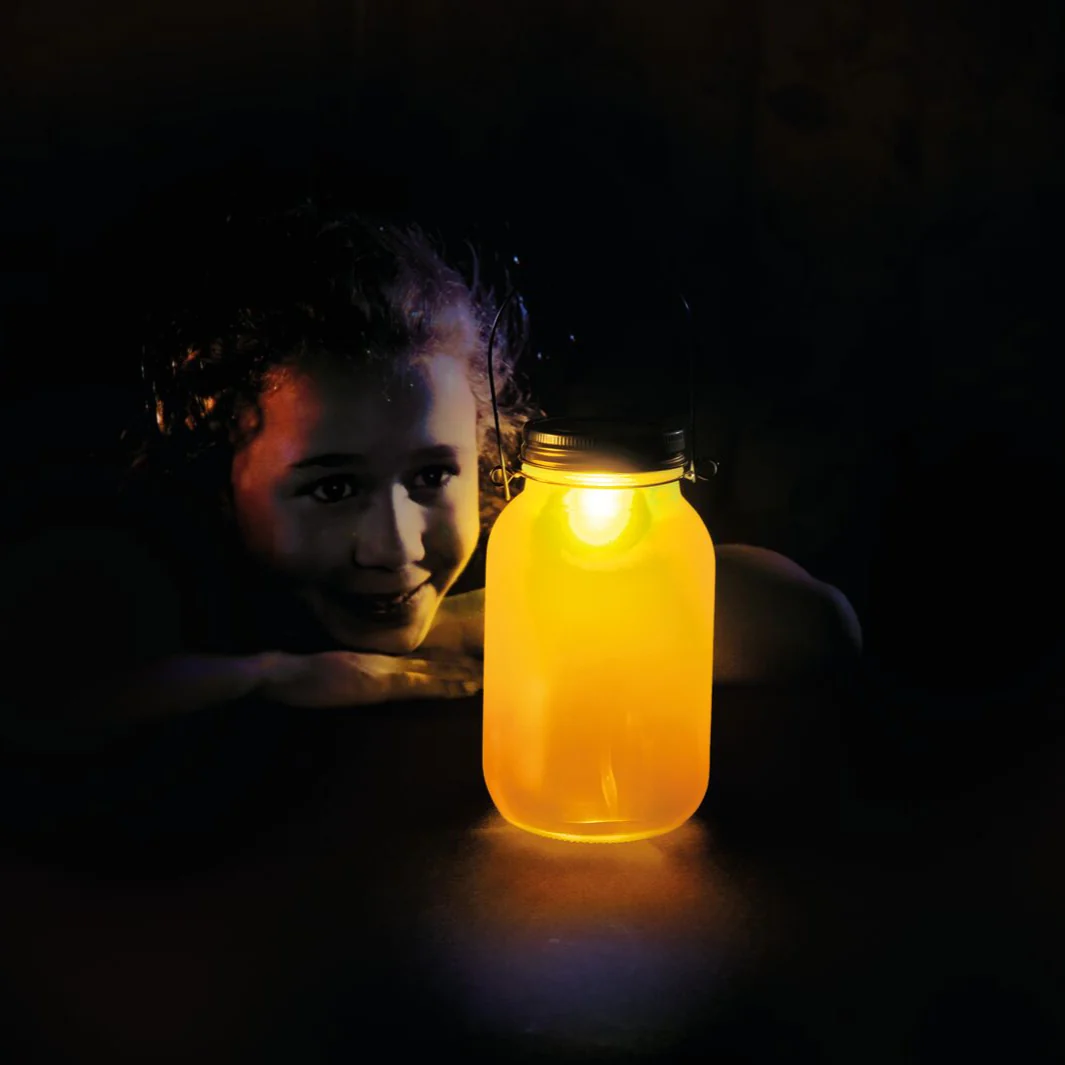
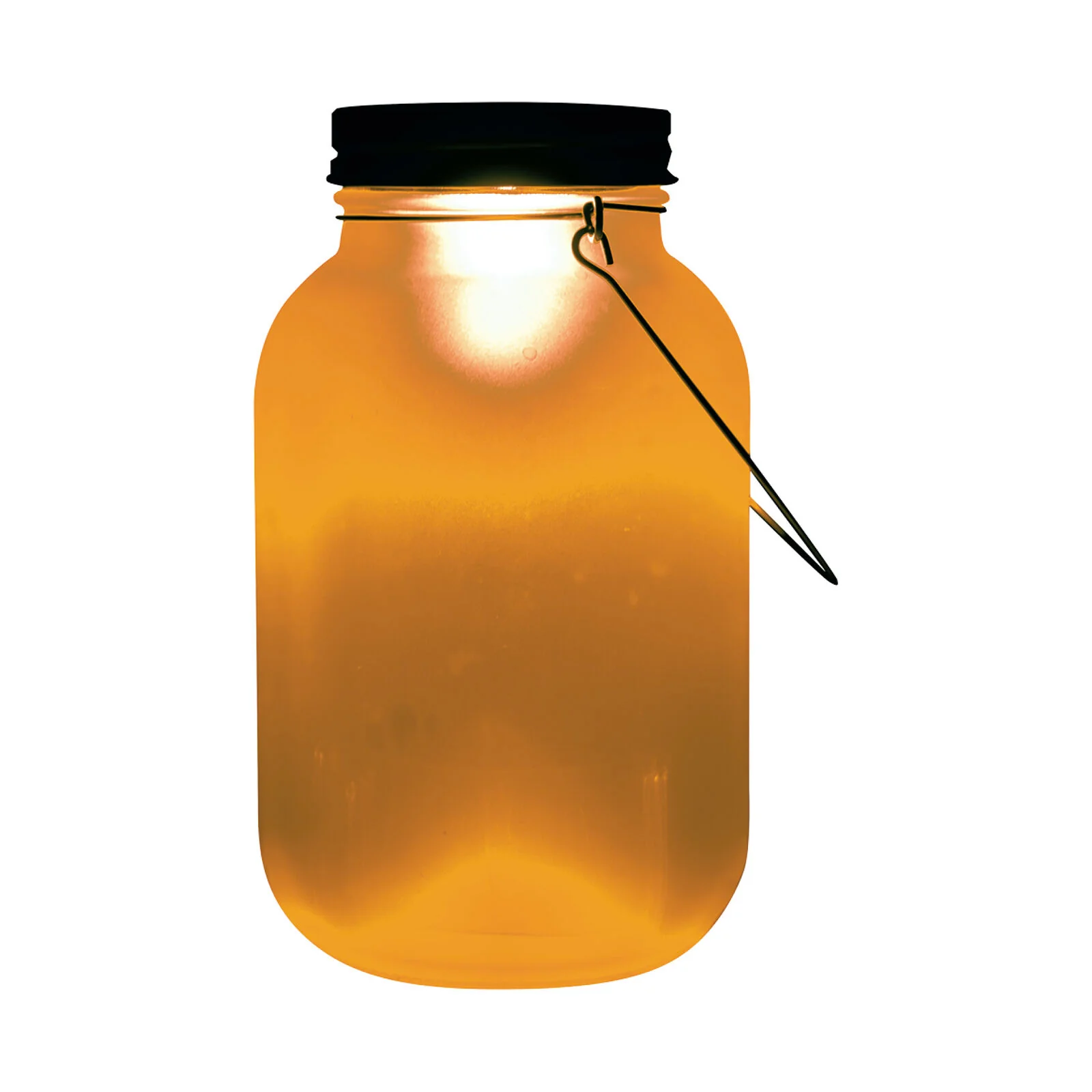
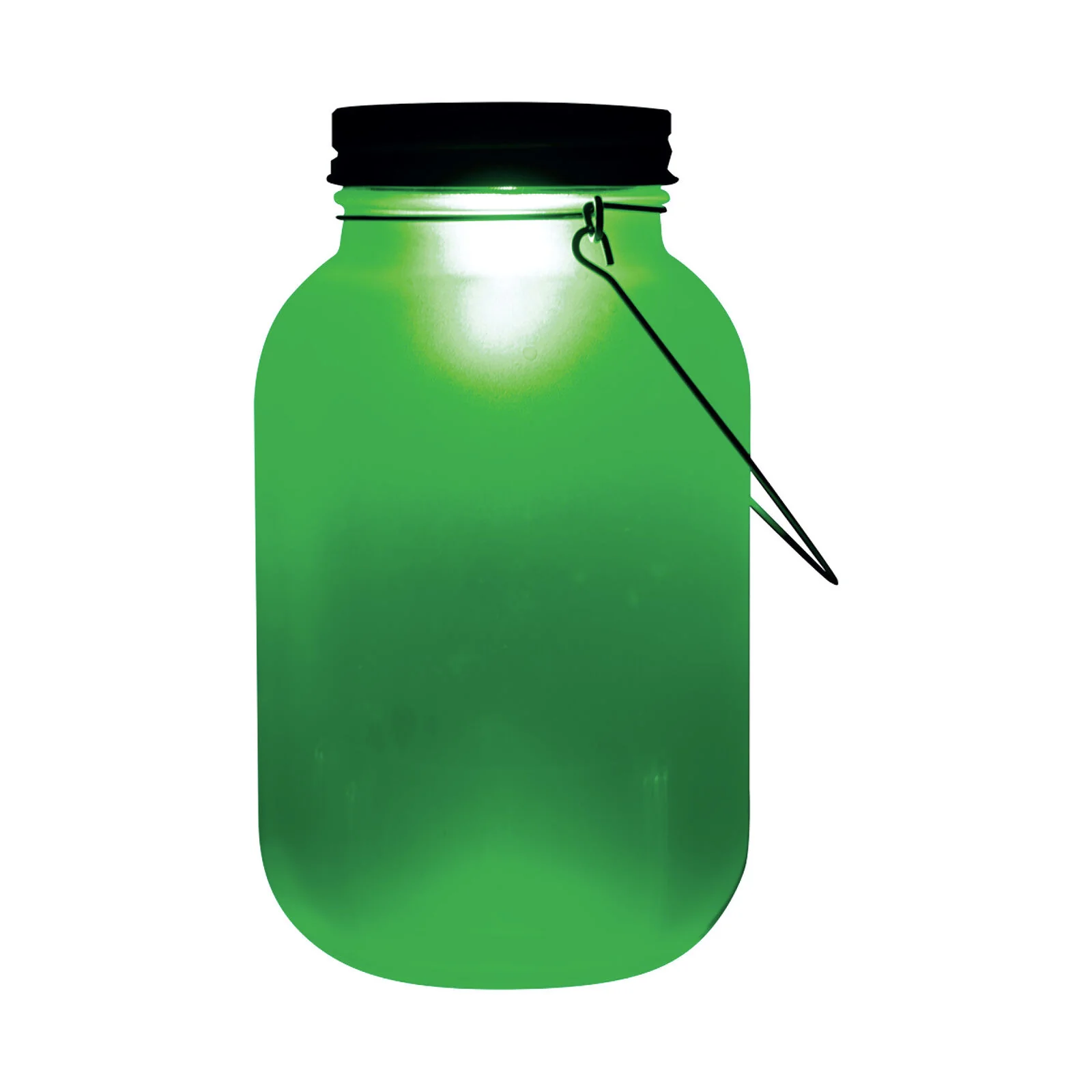
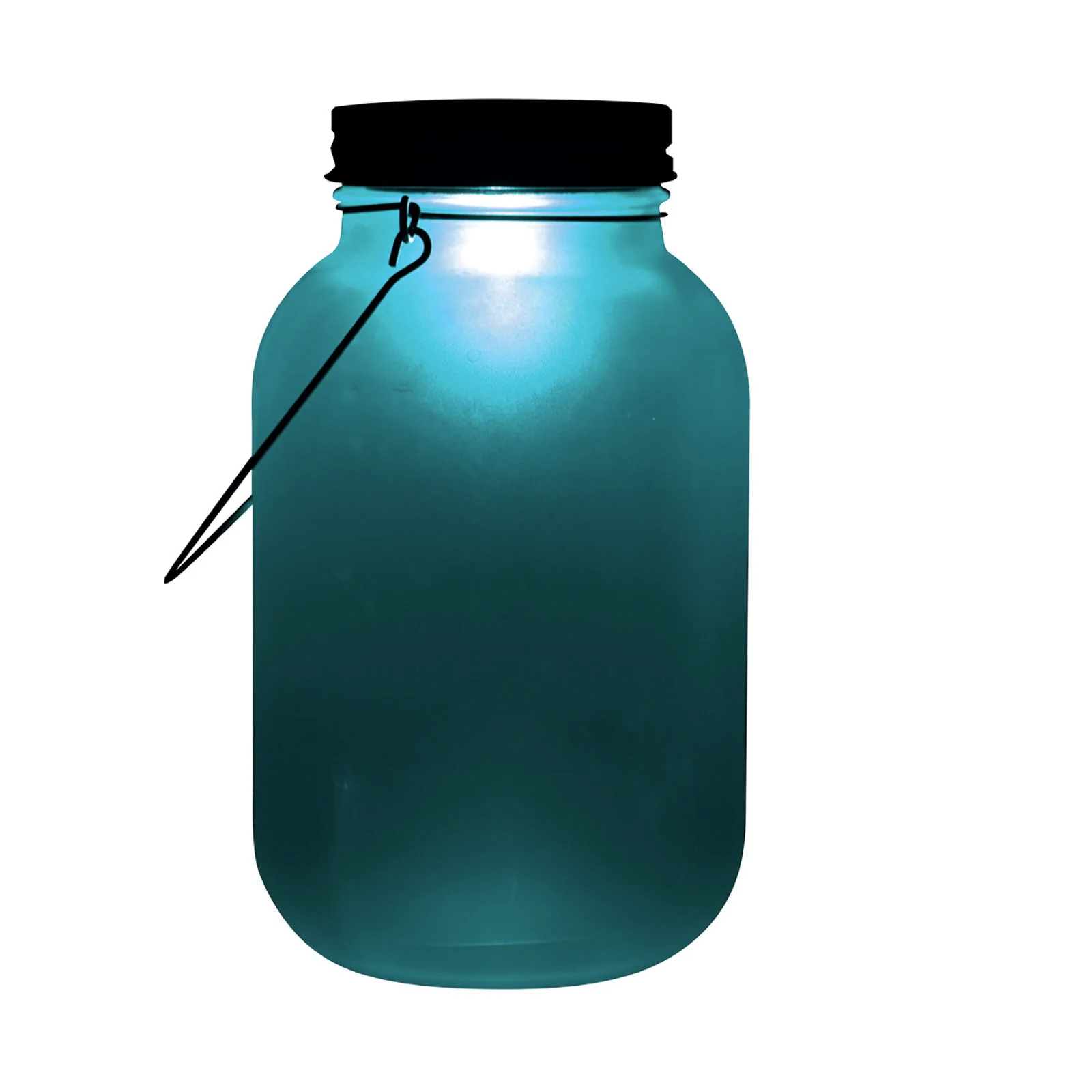
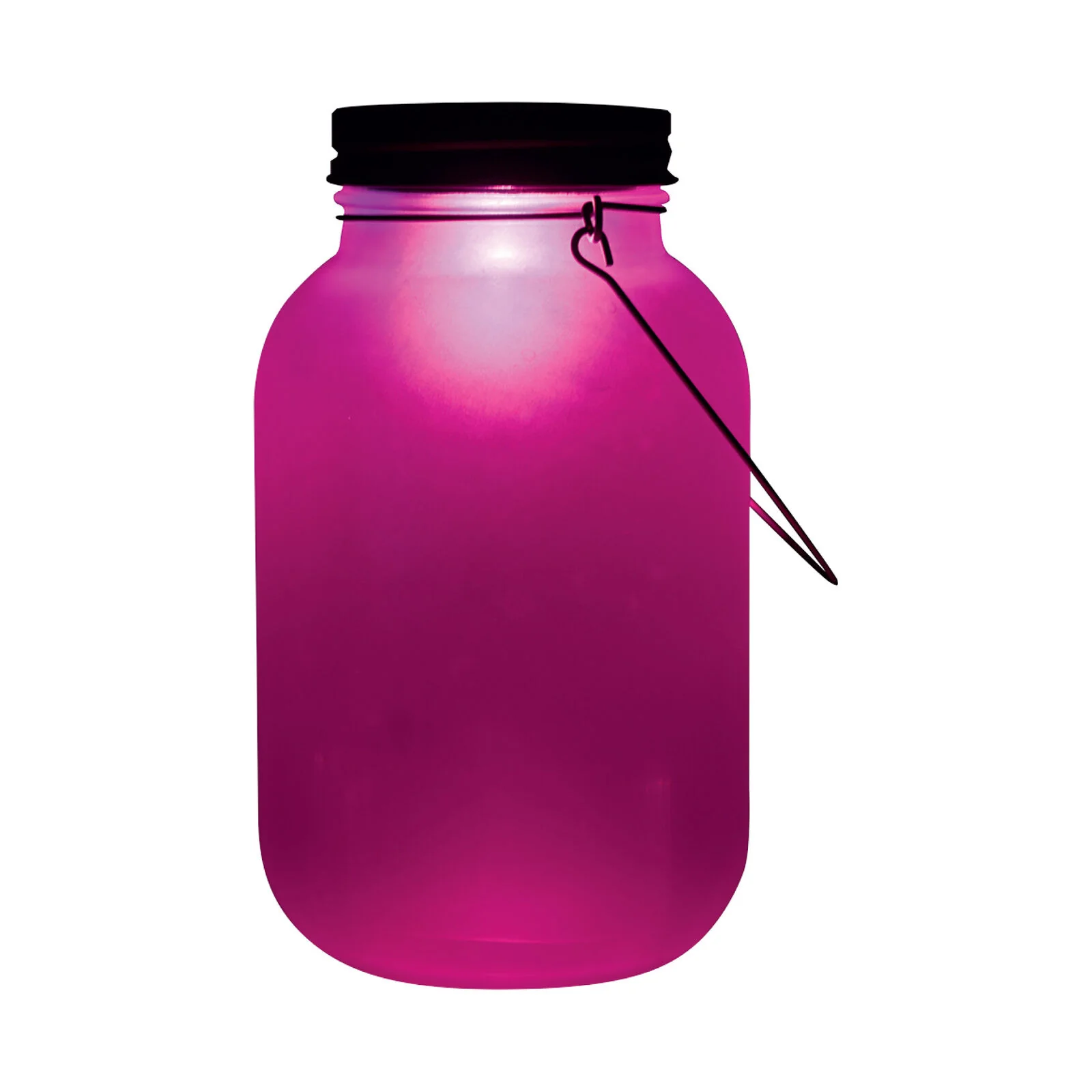
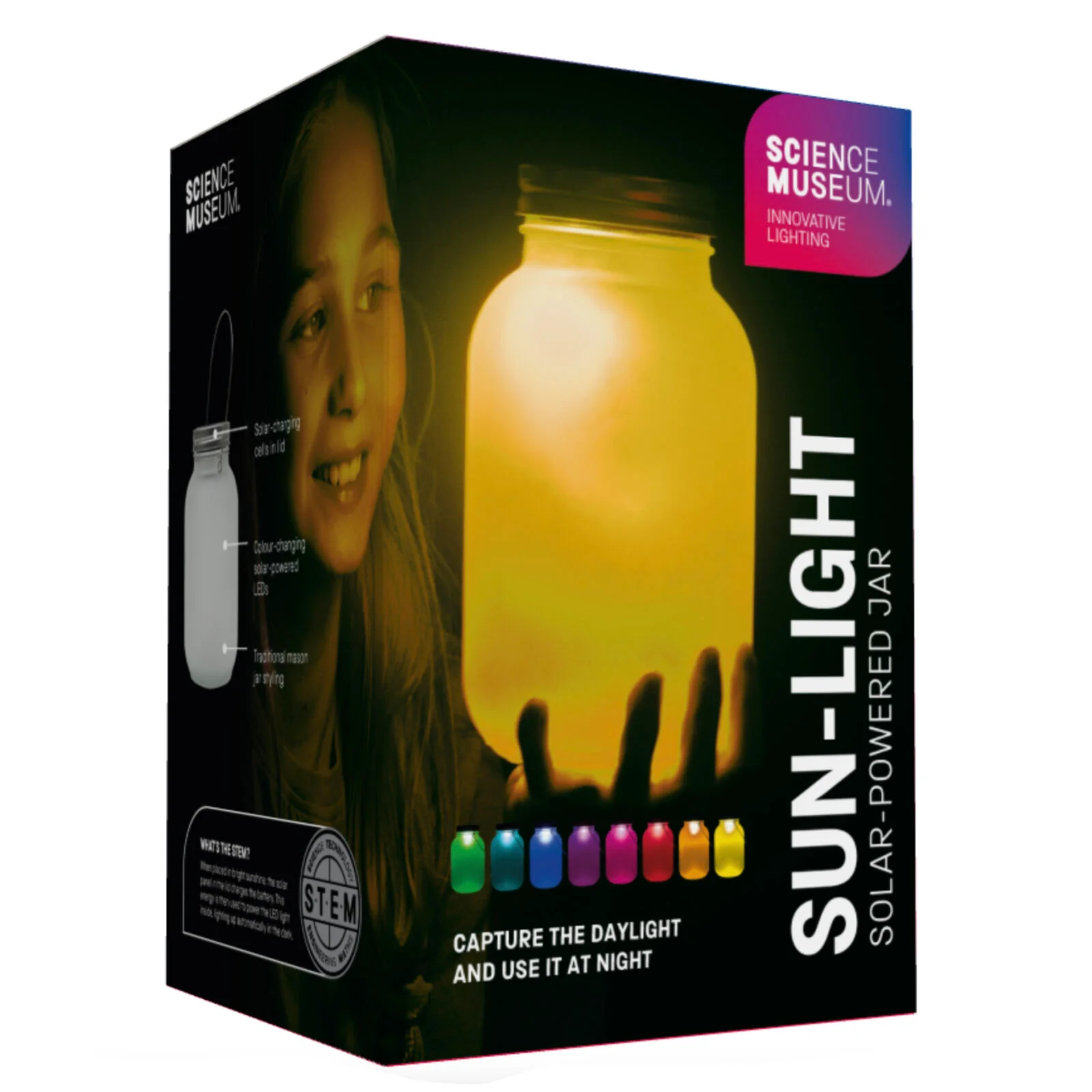
A solar powered Science Museum Sun Light Jar. Keep this 15cm portable mason jar with photocell lid on charge by a window, ready to shine its multi-coloured light wherever and whenever you need.
Part of the Science Museum innovative lighting range. ---Full Product Description---
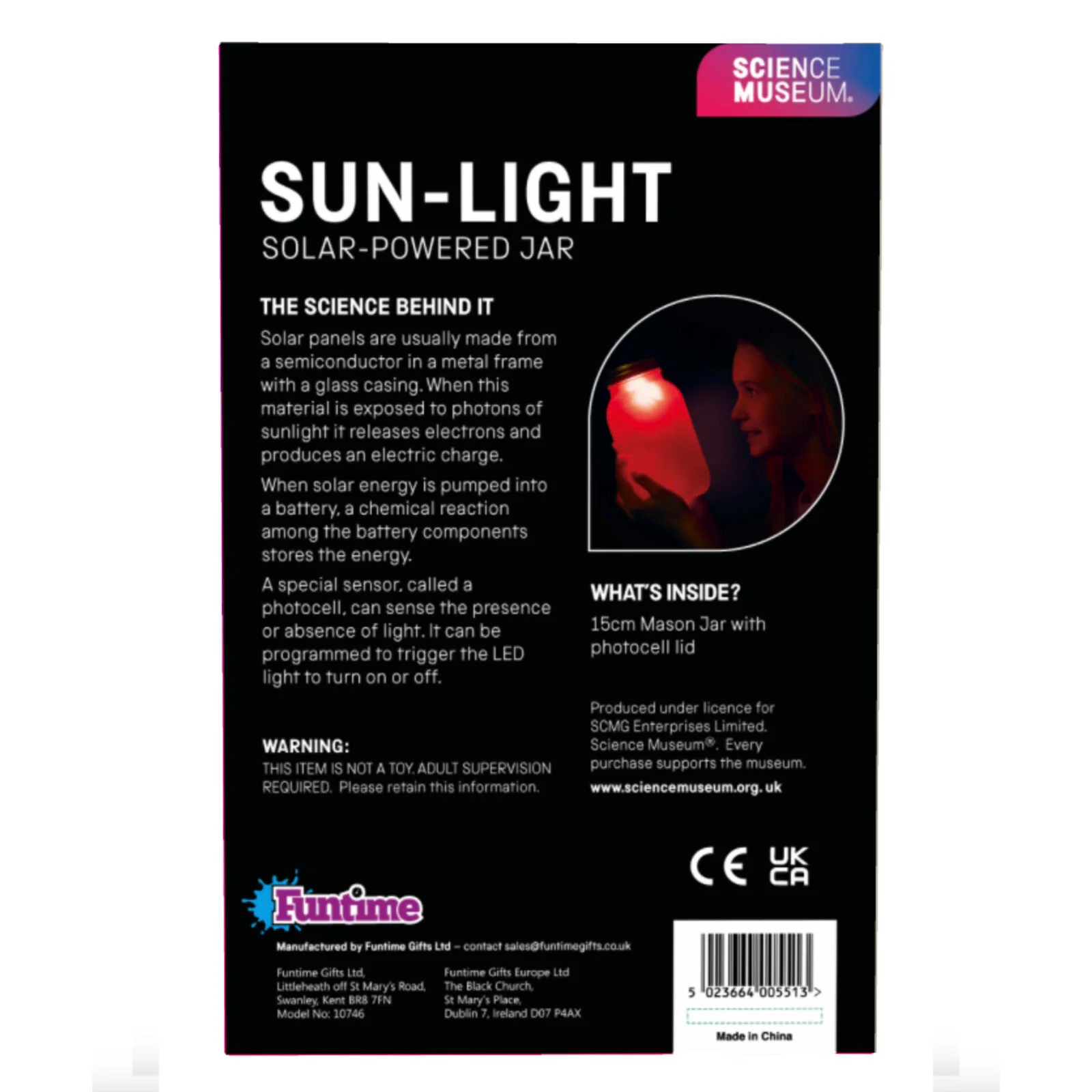
Capture the daylight and use it at night. Promotes STEM learning. The science behind it: solar panels are usually made from a semiconductor in a metal frame with a glass casing. When this material is exposed to photons of sunlight it releases electrons and produces an electric charge.
When solar energy is pumped into a battery, a chemical reaction among the battery components stores the energy. A special sensor, called a photocell, can sense the presence or absence of light. It can be programmed to trigger the LED light to turn on or off.
Details & Craftsmanship
Every detail has been carefully considered to bring you the perfect product.
Details & Craftsmanship
Every detail has been carefully considered to bring you the perfect product.
Details & Craftsmanship
Every detail has been carefully considered to bring you the perfect product.
Details & Craftsmanship
Every detail has been carefully considered to bring you the perfect product.
Details & Craftsmanship
Every detail has been carefully considered to bring you the perfect product.
Details & Craftsmanship
Every detail has been carefully considered to bring you the perfect product.
Details & Craftsmanship
Every detail has been carefully considered to bring you the perfect product.
Details & Craftsmanship
Every detail has been carefully considered to bring you the perfect product.
Details & Craftsmanship
Every detail has been carefully considered to bring you the perfect product.
Description
A solar powered Science Museum Sun Light Jar. Keep this 15cm portable mason jar with photocell lid on charge by a window, ready to shine its multi-coloured light wherever and whenever you need.
Part of the Science Museum innovative lighting range. ---Full Product Description---
Capture the daylight and use it at night. Promotes STEM learning. The science behind it: solar panels are usually made from a semiconductor in a metal frame with a glass casing. When this material is exposed to photons of sunlight it releases electrons and produces an electric charge.
When solar energy is pumped into a battery, a chemical reaction among the battery components stores the energy. A special sensor, called a photocell, can sense the presence or absence of light. It can be programmed to trigger the LED light to turn on or off.